

The short version: Dead wood out, limbs off the roof and away from the lines, and a tree that looks like it should. The estimate is free and in writing, and one of our ISA Certified Arborists looks at it in person. Call or text (503) 551-5141.
Why tree trimming matters
Over time, trees grow branches that become weak, overgrown or in the way. Without regular trimming those branches can hurt the tree itself, damage your property or become a safety hazard.
If you have noticed dead or diseased branches, a tree blocking light or reaching into power lines, or a canopy that is getting too big for the space, it is probably time. Good trimming:
- Improves the overall health of the tree
- Removes dead, weakened or diseased branches
- Reduces the risk of limbs coming down on a house, car or fence
- Opens the canopy to more sunlight and air
- Keeps branches clear of roofs, driveways and service lines
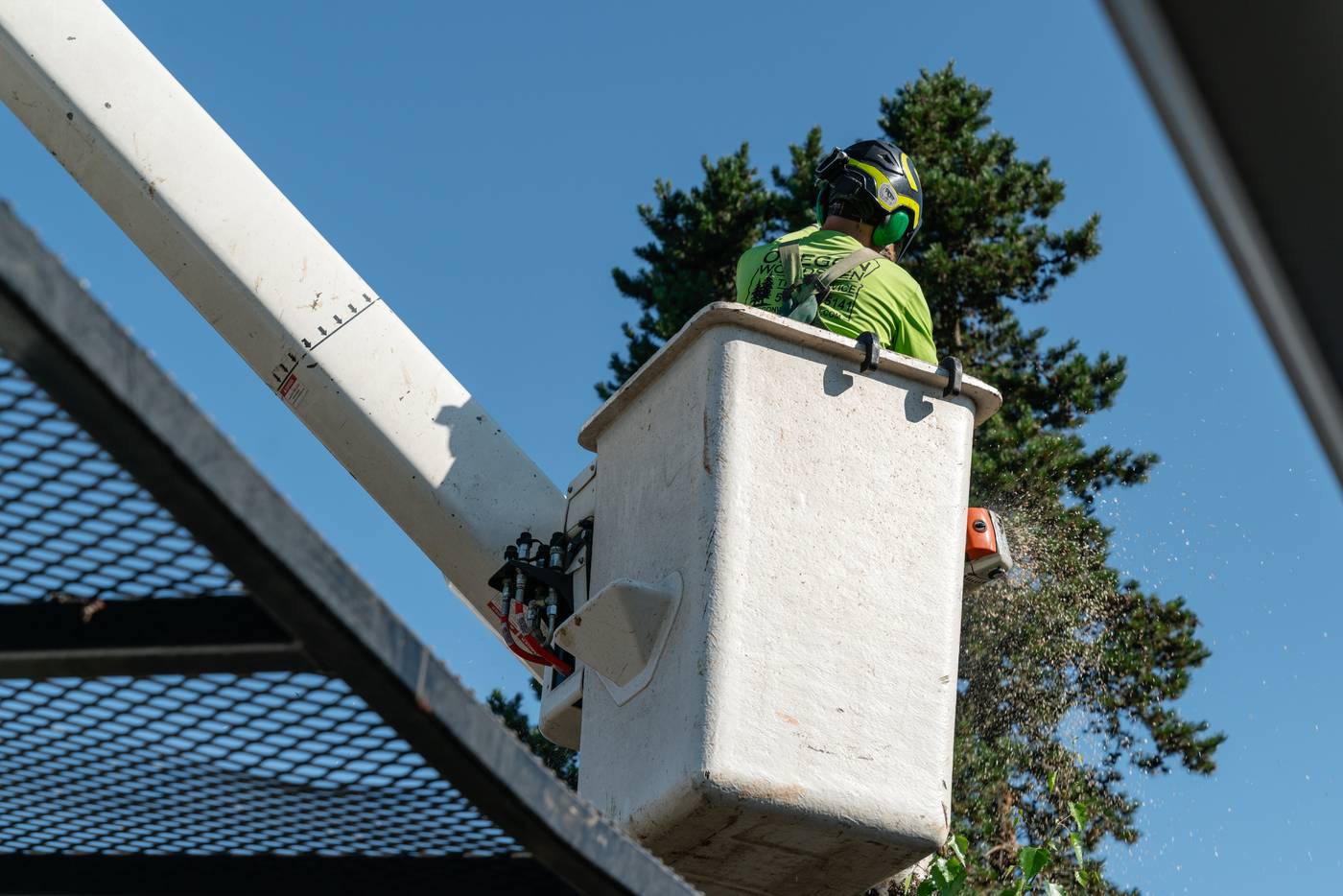
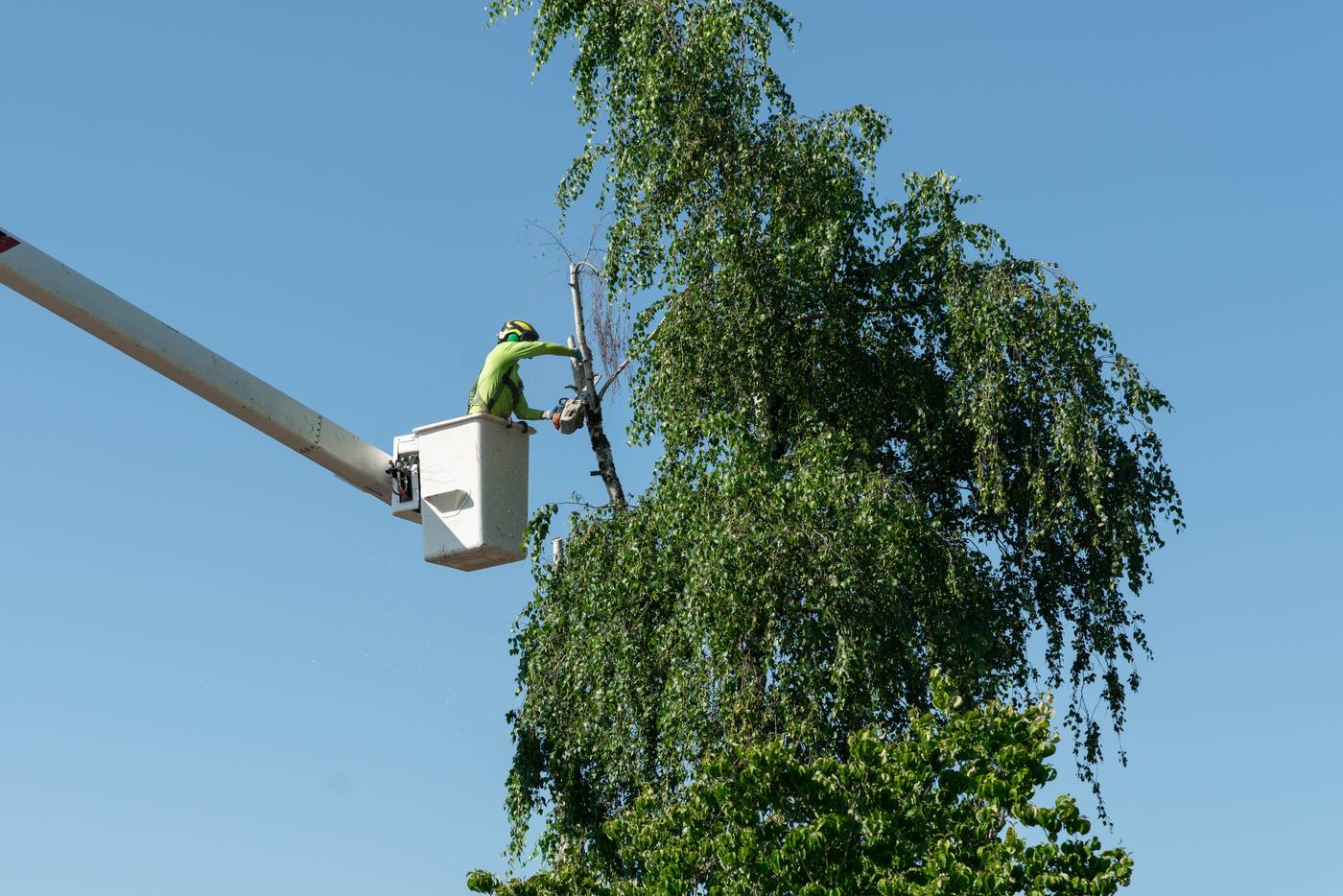
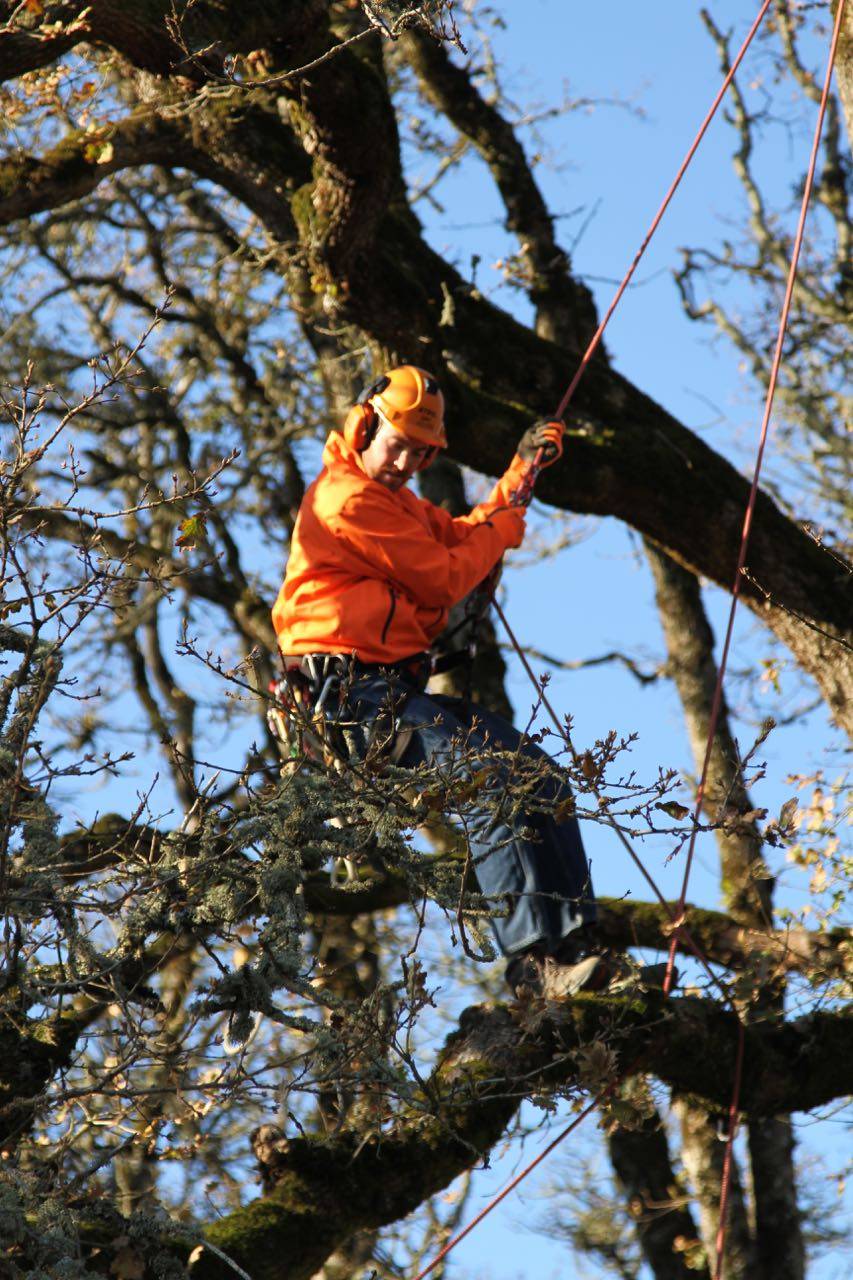
We do not just cut branches
Every tree is different. We do not cut branches for the sake of trimming, and we do not top trees. Topping leaves a tree weaker and uglier than it started. Each cut is made where the tree can close it, so the tree comes out stronger with a natural shape.
Customers in the valley mostly call us for fruit trees, maples, birch, honey locust and the big oaks and firs that hang over the house. One Salem family has had us back three times for the same 70 year old honey locust.
Free written estimate: call or text (503) 551-5141
What does tree trimming cost?
It depends on how many trees, how big they are and how much has to come out of each one. A couple of limbs off the roof is a short visit. Thinning and deadwooding several mature trees is a full day with the bucket truck and chipper. Access matters too: if the trucks can reach the tree, the work goes faster.
The estimate is free and written, and the arborist will tell you which trees actually need work and which can wait a year or two. Customers say the prices are fair, and several have told us our bid was well under the other company’s.

When is the best time of year to trim trees in the Willamette Valley?
Dead, broken and hazardous limbs can come out any time. For general trimming, late fall through winter is ideal for most trees: the leaves are down, the structure is easy to see and the tree is dormant. Summer is fine for light clearance work and for slowing down fast growers. Before the winter storms is the right time to deal with long, heavy limbs over the house. Historically October through early December is our busy season for exactly that reason.
“We just hired this company to do a job for us, they showed up early and were ready to work exactly when they said they would. …”
What should not be done to a tree?
Topping. Cutting the top off a tree to make it shorter leaves large wounds that decay, and the tree answers with a thicket of weak, fast shoots that are more likely to break than what was removed. If a tree is too tall for its spot, the honest options are crown reduction done properly, or removal and replanting with something that fits.
How does tree trimming work with us?
Assessment
We look over your trees and identify the weak, diseased or overcrowded branches that need to be trimmed or removed.
Precise and careful trimming
We trim to keep the natural shape and structure of the tree, so it looks good and grows strong.
Clean-up and disposal
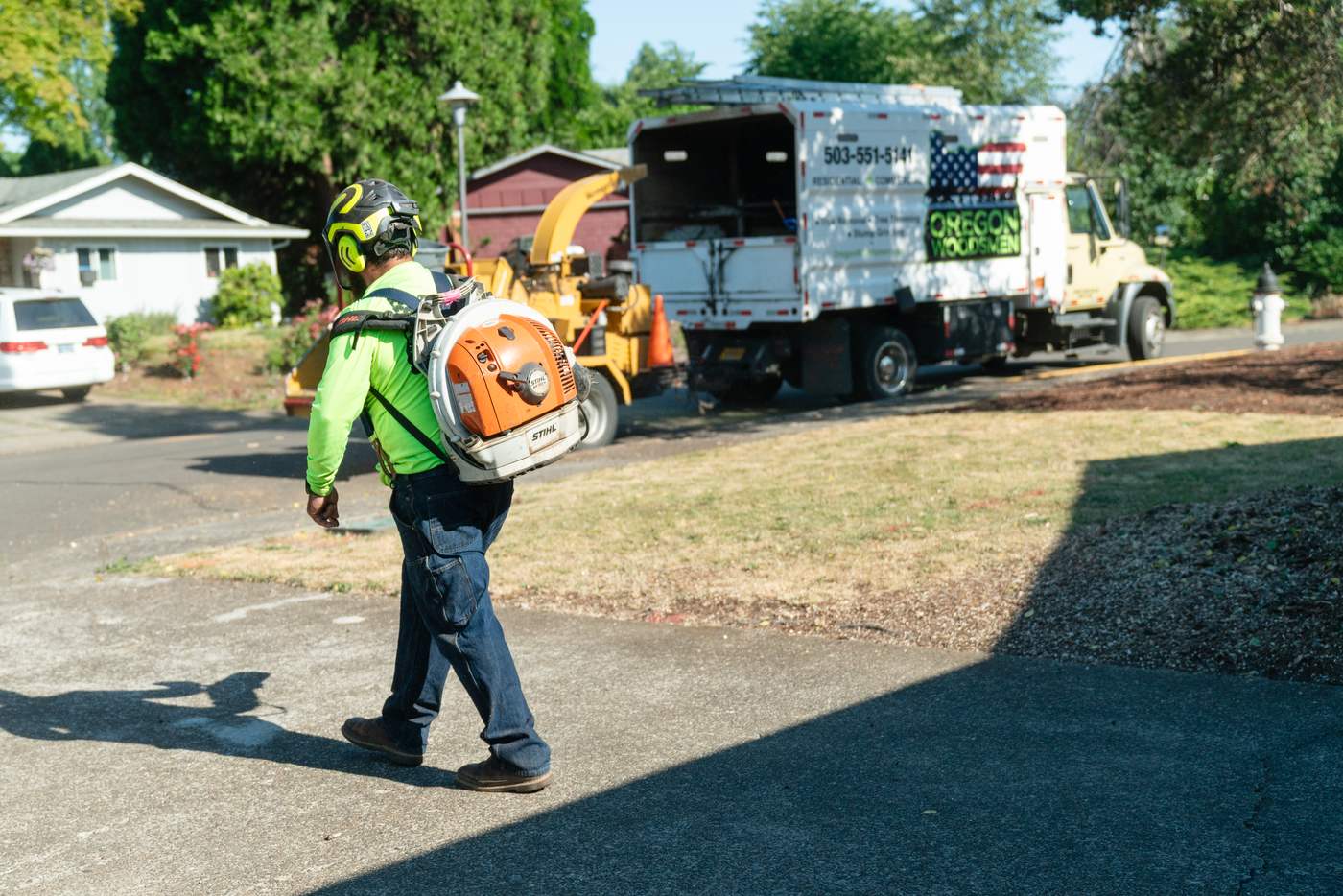
Once trimming is complete we clean up the debris and haul it away, leaving your property neat and tidy.
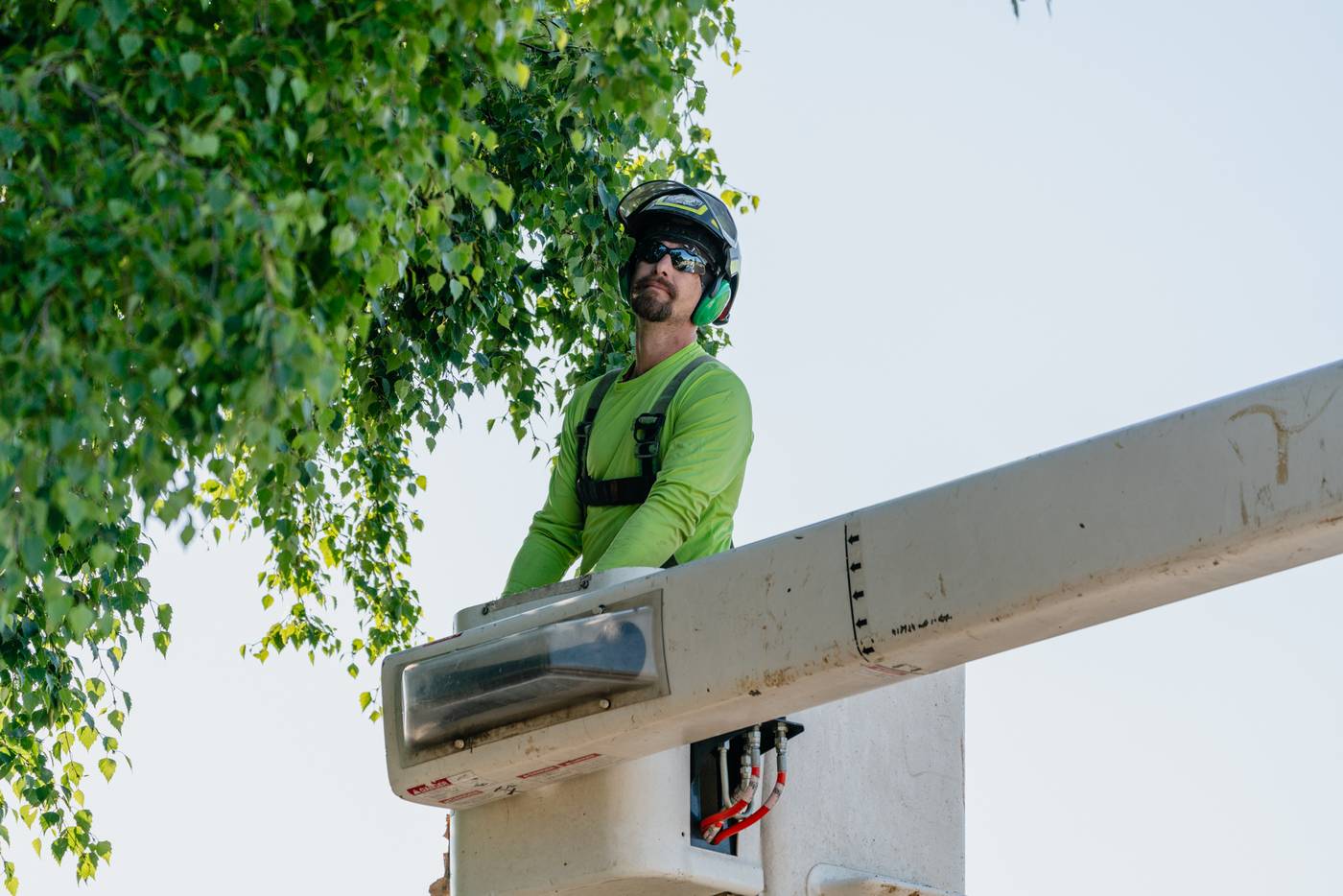
Tree Trimming photos from our jobs
Where do we offer tree trimming?
Across the Mid-Willamette Valley: Salem, Keizer, Dallas, Monmouth, Independence, Rickreall, McMinnville, Newberg, Corvallis. Our yard is in Rickreall, so Polk County and West Salem are closest, and we group jobs in the towns farther out. If you are not sure whether you are in our area, call and ask.
Tree Trimming questions
How often should I have my trees trimmed?
It depends on the tree’s growth rate and health. Most trees benefit from trimming every 1 to 3 years, but some need more frequent attention.
Will trimming harm my tree?
When done properly, trimming promotes healthy growth and does not harm the tree. Bad trimming, especially topping, does. We follow accepted pruning practices.
What is the difference between trimming and pruning?
People use the words for the same thing. On our estimates, trimming usually means clearance and appearance, and pruning means cuts made for the health and structure of the tree. See our tree pruning page.
Do you clean up afterwards?
Yes. Clean-up and hauling are part of the job unless you ask us to leave the wood or chips.
Related services
Tree Trimming near you
Free estimates. Honest answers.
Call or text the office, or send the estimate form. Jennifer answers the phone Monday to Friday, 7 am to 6 pm.